
Early language & late talkers
First words, play and everyday routines that grow language from birth to age 5.
Most children say their first words around their first birthday and begin combining two words around age 2. Some take longer. A “late talker” is a toddler who understands well and communicates with gestures, but uses fewer words than expected for their age.
The articles below explain how language grows through play and everyday routines, which strategies help at home, and why it makes sense not to simply wait and see. Many late talkers catch up, but it is hard to know in advance which ones will, so an assessment is a reasonable step if you have concerns.
In bilingual families, count your child’s words in all of their languages together. A speech-language pathologist can help you sort out what is typical and what needs support.
 Early language & late talkersLate talker or developmental language disorder: will your child's difficulties pass?November 3, 2026
 Early language & late talkersEar infections and speech delay: what fluid in the ear really changesNovember 1, 2026
 Early language & late talkersDoes screen time cause speech delay? What the research really saysOctober 27, 2026
 Early language & late talkersMeltdowns and challenging behaviour: could it be language?October 26, 2026
 Early language & late talkersSpeech delay or autism? What professionals look at beyond wordsOctober 26, 2026
 Oral habits & myofunctional therapyBaby feeding milestones, 0 to 12 months: how your baby's mouth learns to eatOctober 15, 2026
 AssessmentWaiting for speech therapy in Québec: what happens on the list and what to do meanwhileOctober 13, 2026
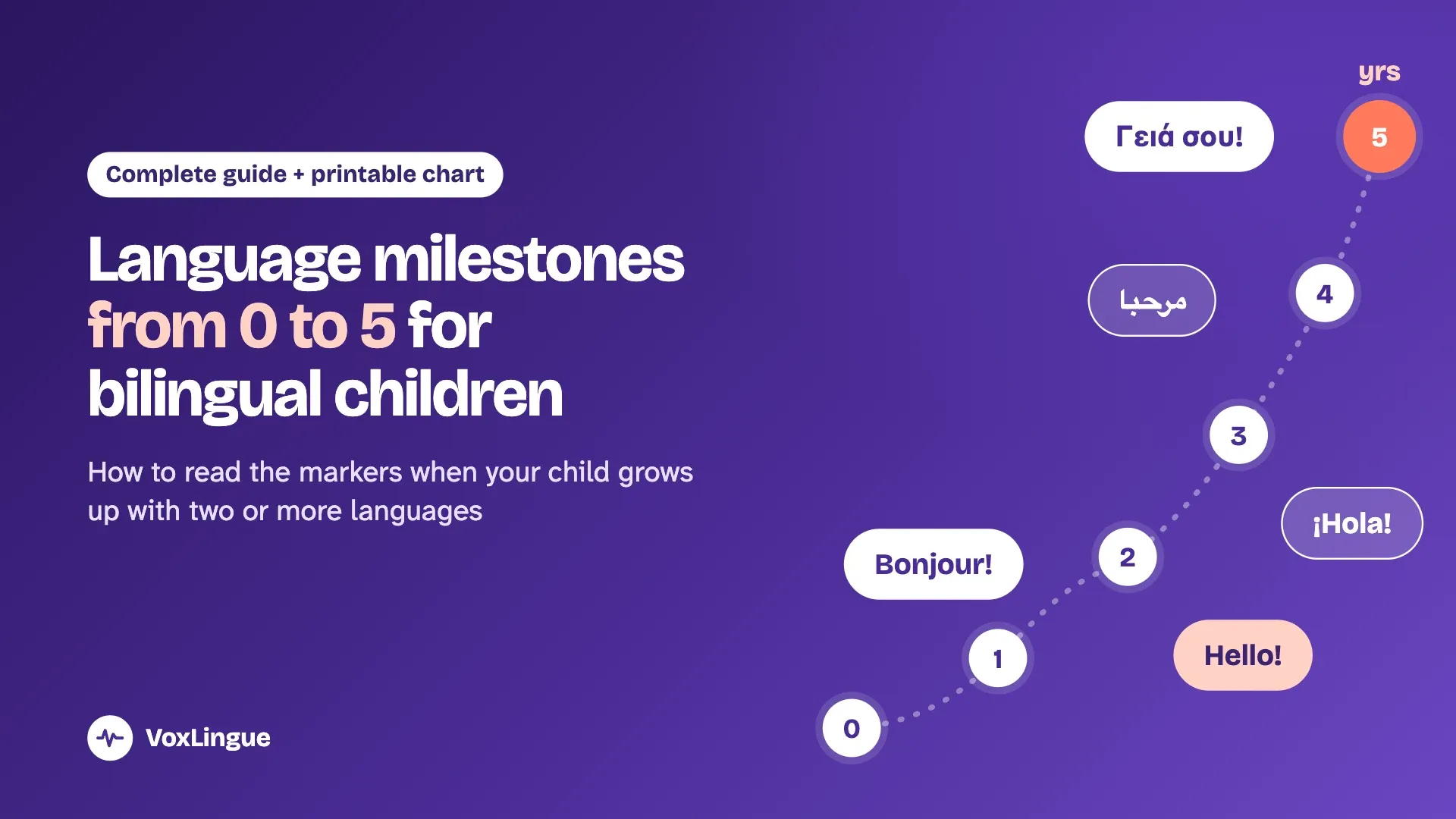 Early language & late talkersLanguage milestones from 0 to 5 for bilingual children (complete guide and printable chart)October 11, 2026
 Early language & late talkersIs My Child a Late Talker? A Guide for Montreal ParentsMay 12, 2026Early language & late talkersStimulating Language and Speech in the Early Years – The Whats and Hows (Part 3)April 9, 2026
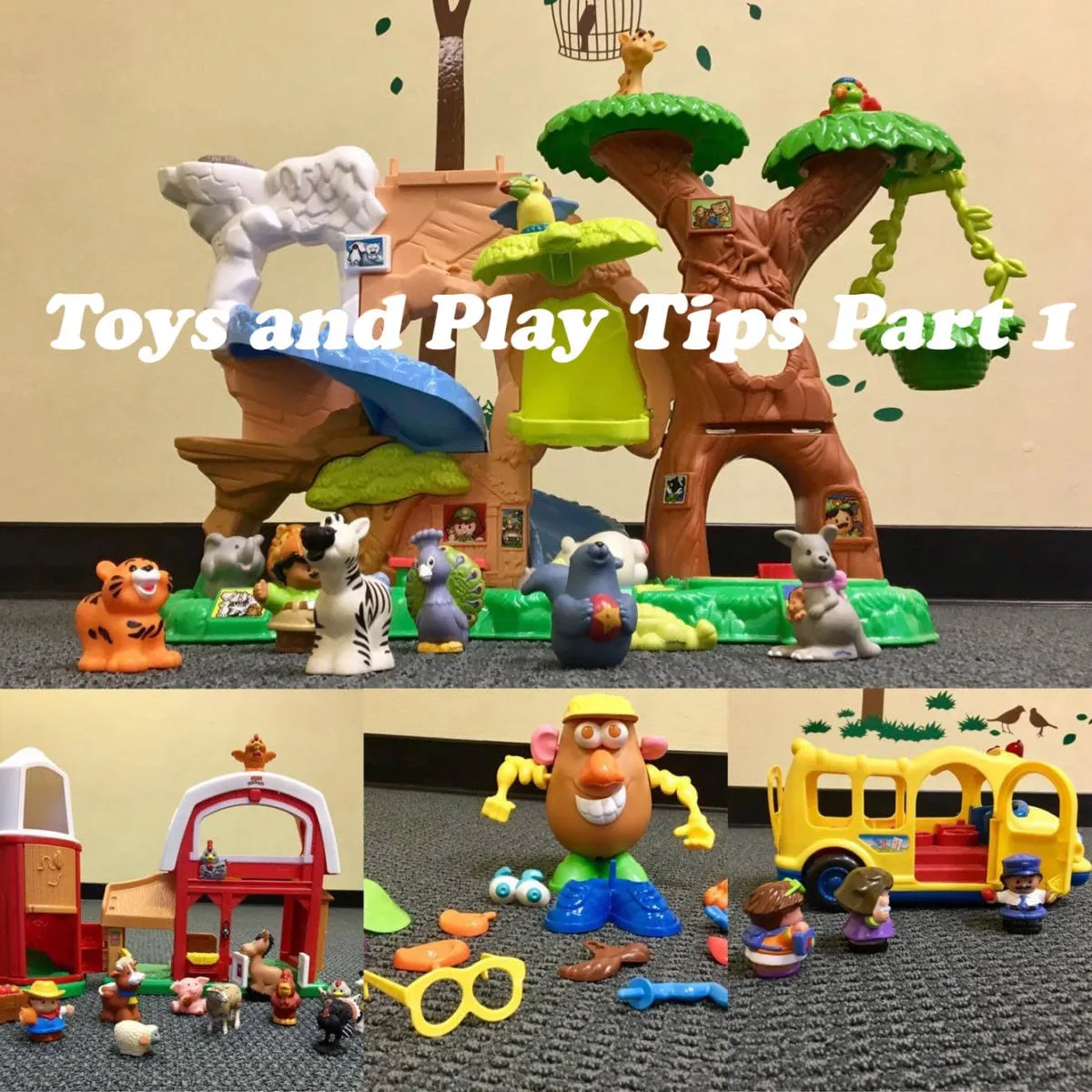 Early language & late talkersToys and Play Tips (Stimulate language and speech) – Part 1January 15, 2025
 Early language & late talkersStimulating Language and Speech in the Early Years – The Whats and Hows (Part 1)January 10, 2025
 Early language & late talkersChildren developing language through early communication strategies – Part 1March 10, 2024
 Early language & late talkersChildren developing language through early communication strategies – Part 2March 10, 2024
 Early language & late talkersChildren developing language through early communication strategies – Part 3March 10, 2024
 Early language & late talkersLanguage development milestones 0-3 years – Early childhood communication stagesMarch 10, 2024
 Early language & late talkersPre-linguistic and play development – Children learn through play!March 10, 2024
 Early language & late talkersStimulating Language and Speech in the Early Years – The Whats and Hows (Part 2)March 10, 2024
 Early language & late talkersStimulating Language and Speech in the Early Years – The Whats and Hows (Part 4)March 10, 2024
 Early language & late talkersToys and Play Tips (Stimulate language and speech) – Part 2March 10, 2024
 Early language & late talkersToys and Play tips (Stimulate language and speech) – Part 3March 10, 2024
Related services
- Speech therapy for childrenConditions, services and articles for babies, toddlers and school-age children.
- Language delays and language disordersSupport for children and teens who have difficulty understanding or using language, from late talkers to school-age developmental language disorder.
- Parent coaching and Hanen programsCoaching that helps parents and caregivers use proven strategies in daily routines, drawing on Hanen programs such as It Takes Two to Talk and More Than Words.
Let's talk about what you're noticing.
No referral needed. Call the clinic or send us a request, and we'll match you with the right clinician.