
Adults and older adults
Speech therapy for adults
Clinically reviewed by Kimberly Martins, M.A. CCC-SLP
Communication changes can happen at any age: after a stroke or brain injury, with a neurological condition, or when your voice, fluency or swallowing aren't working the way they used to. Our speech-language pathologists work with adults in English, French and other languages, in person in Montréal, at home or online across Quebec and Ontario.
When to talk to a speech-language pathologist
- Finding words, following conversations or reading has become harder after a stroke or brain injury
- Your speech has become slurred, quiet or harder to understand
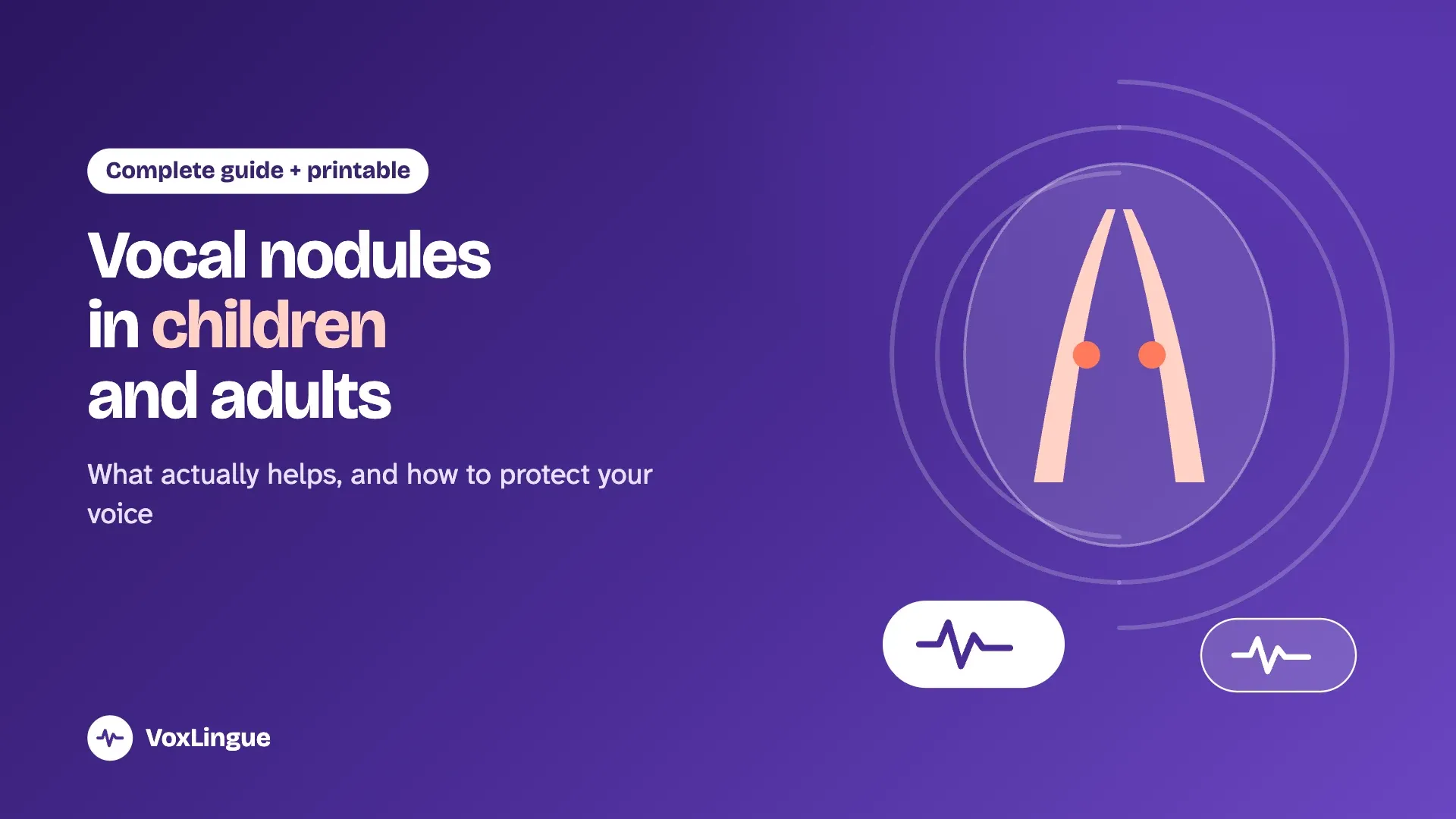
- Your voice is hoarse, tired or strained for more than a few weeks
- You stutter and it affects your work or daily life
- You cough or choke when eating or drinking
- You want to adjust your accent in English or French for work or personal goals
Some signs need a physician first: sudden changes in speech, swallowing or voice should be checked medically. We are glad to support you afterward.
What we help adults with
How we can help
How therapy works for adults
- Goals are built around your daily life: work, conversations, family, phone calls.
- Family members are welcome to join sessions and learn how to support communication at home.
- With your permission, we coordinate with your physician or rehabilitation team.
- Sessions are available at our clinic, at home or online.
Articles for adults and families
Common questions
Do I need a referral?
No. You can contact us directly, and a family member can call on your behalf. We provide receipts for private insurance.
Is it too late for therapy if my stroke was a while ago?
Many people continue to make progress with therapy months or years after a stroke. Your clinician will assess where you are now and set realistic goals with you.
Can adults do therapy online?
Yes. Many adults prefer online sessions, which can reduce travel fatigue and let a family member join from another room or city.
Do you offer sessions at home?
Yes, in-home sessions are available. Ask us whether we serve your area.
Can I work on my accent in English or French?
Yes. Accent modification is offered in both languages. An accent is not a disorder; sessions are built around your own goals.
Let's talk about what you're noticing.
No referral needed. Call the clinic or send us a request, and we'll match you with the right clinician.