
Bilingual & multilingual families
Raising children in more than one language, and telling a difference from a disorder.
Learning two or more languages does not cause language delays. Bilingual children may mix languages, know some words in only one language, or have a stronger and a weaker language. These are usually a normal part of growing up bilingual.
The real challenge for parents and professionals is telling a language difference from a language disorder. A true disorder shows up in all of a child’s languages, so a fair assessment looks at every language the child uses, not just English or French.
The articles below explain how bilingual development works, how speech-language pathologists assess bilingual children, and why keeping your home language is good for your child.
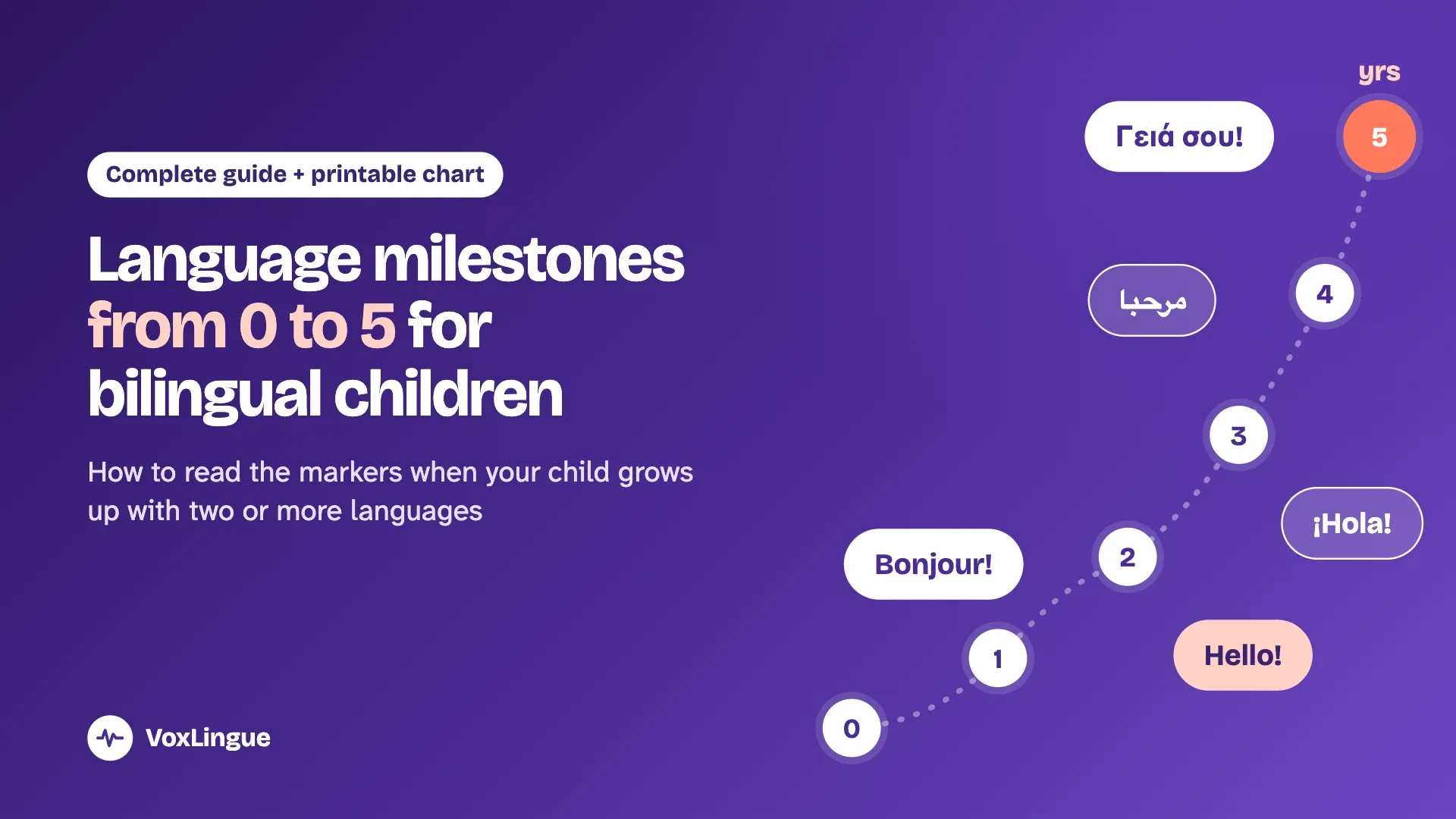 Early language & late talkersLanguage milestones from 0 to 5 for bilingual children (complete guide and printable chart)October 11, 2026
 Bilingual & multilingual familiesSpeech Therapy for Children in MontrealJune 23, 2025
 Bilingual & multilingual familiesBilingualism – Identifying language disorders in bilingual childrenJanuary 24, 2025
 Bilingual & multilingual familiesBilingualism – Raising bilingual children with speech language impairmentsMarch 10, 2024
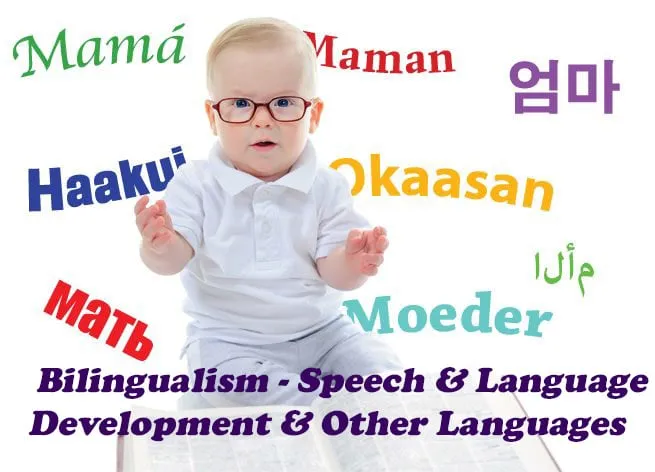 Bilingual & multilingual familiesBilingualism – Speech and Language Development and Other LanguagesMarch 10, 2024
Related services
- Speech and language assessment for children, teens and adultsA careful look at speech, language, voice, fluency or swallowing to find out whether you or your child can benefit from speech-language therapy, and what would help most.
- Language delays and language disordersSupport for children and teens who have difficulty understanding or using language, from late talkers to school-age developmental language disorder.
Let's talk about what you're noticing.
No referral needed. Call the clinic or send us a request, and we'll match you with the right clinician.