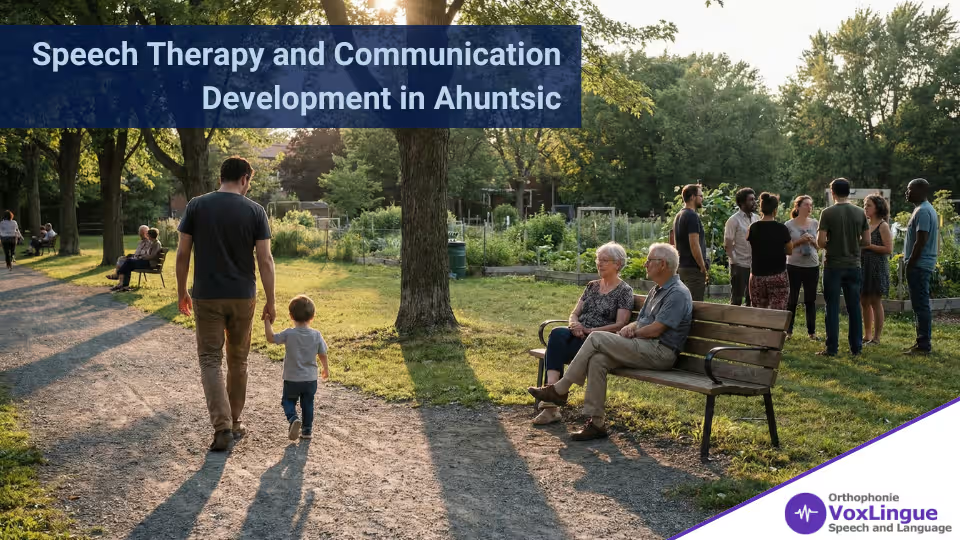
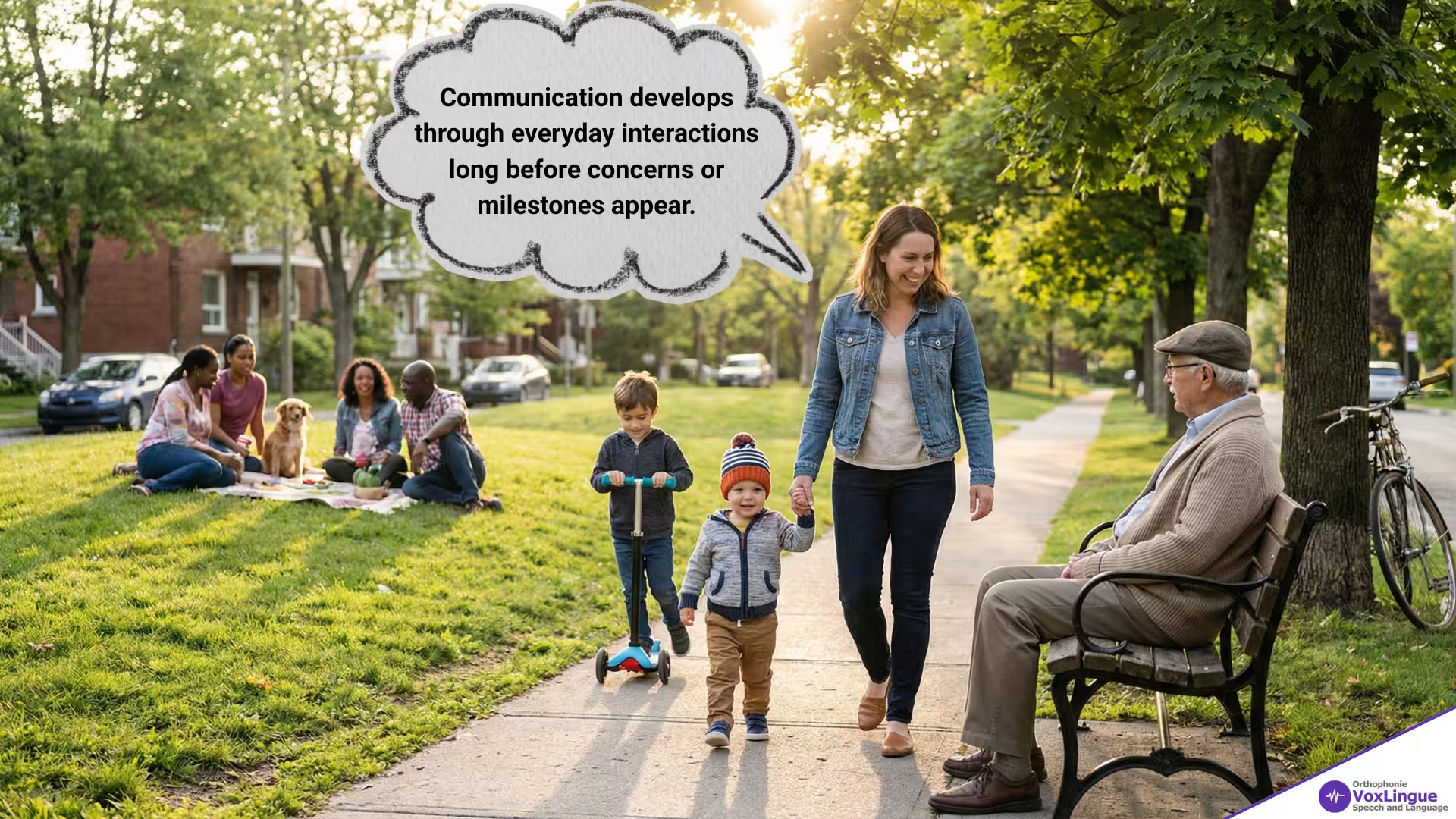
Living and raising a family in Ahuntsic often means being part of a close knit neighborhood where daily life unfolds in parks, schools, libraries, and community spaces. Families spend time outdoors, children interact with peers across different ages, and conversations naturally happen in more than one language. These everyday environments play an important role in how communication develops, long before any concerns about speech or language arise.
In a community as diverse as Ahuntsic, it is common for children and adults to navigate multiple languages, communication styles, and social expectations. Parents may notice differences in how their child understands language, expresses themselves, or interacts with others, especially when comparing home, daycare, and school settings. Adults may also become more aware of communication challenges as life demands change at work, in social relationships, or following health related events.
This page is designed to explore how communication and language development fit into daily life in Ahuntsic. It aims to help families better understand what is typical, what may raise questions, and how speech therapy supports communication across the lifespan. The focus is on education and context, offering information that helps readers feel informed and reassured rather than overwhelmed or pressured.
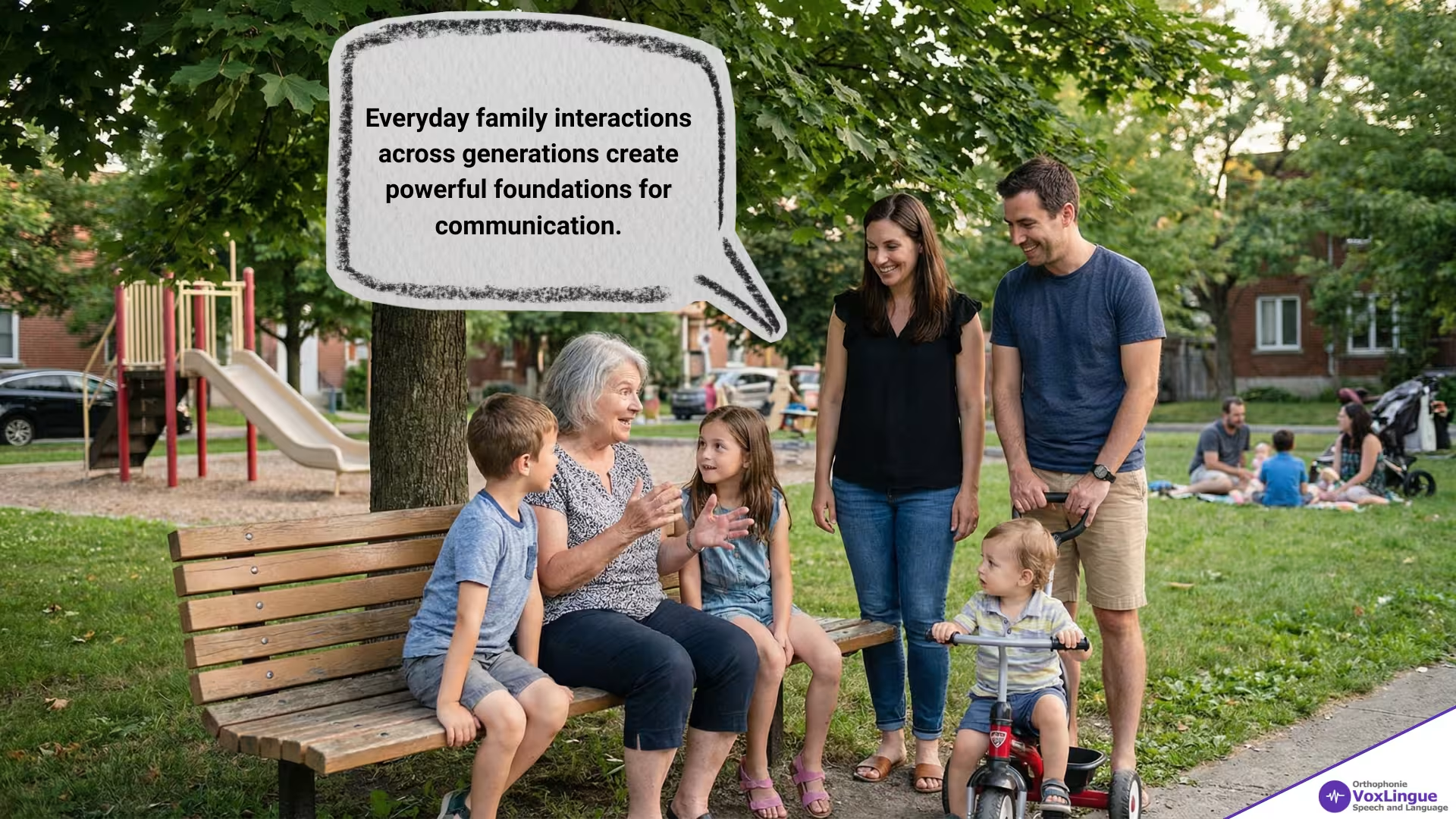
Ahuntsic is widely recognized as a residential neighborhood where family life is central. Many households include young children, adolescents, parents, and sometimes grandparents living under the same roof or nearby. This multigenerational presence creates rich opportunities for communication, as children are exposed to different speaking styles, vocabulary, and ways of interacting from an early age. These daily exchanges help shape how children learn to listen, respond, and express themselves in meaningful ways.
The neighborhood is also defined by its access to green spaces, including well known areas such as Parc Ahuntsic. Parks and playgrounds offer more than physical activity. They create natural settings for conversation, turn taking, problem solving, and social negotiation. When children play together, they practice explaining ideas, understanding others’ perspectives, and adjusting their communication based on context. These skills are foundational for both language development and social communication.
Local schools, libraries, and community centers further contribute to a communication rich environment. Story time at the library, classroom discussions, and community programs all expose children to new vocabulary and sentence structures while encouraging curiosity and interaction. For adults, these spaces also support communication through social engagement, shared learning, and participation in community life.
Daily routines in Ahuntsic often involve walking to school, running errands in the neighborhood, or spending time outdoors with family and friends. These moments may seem simple, but they provide consistent opportunities for conversation, storytelling, and connection. From a speech therapy perspective, it is often within these everyday interactions that language skills are strengthened, supported, and better understood across all ages.
In Ahuntsic, many families navigate daily life in more than one language. Children may hear French at school, English at home, and additional languages through extended family or the community. This type of linguistic environment is common in Montreal and plays a meaningful role in how communication develops across childhood and adulthood.
Bilingual exposure shapes language development by strengthening listening skills, attention to meaning, and flexibility in communication. Children who grow up hearing multiple languages learn early on that the same idea can be expressed in different ways. This awareness supports cognitive skills such as problem solving and perspective taking, even when expressive language develops at a different pace in each language.
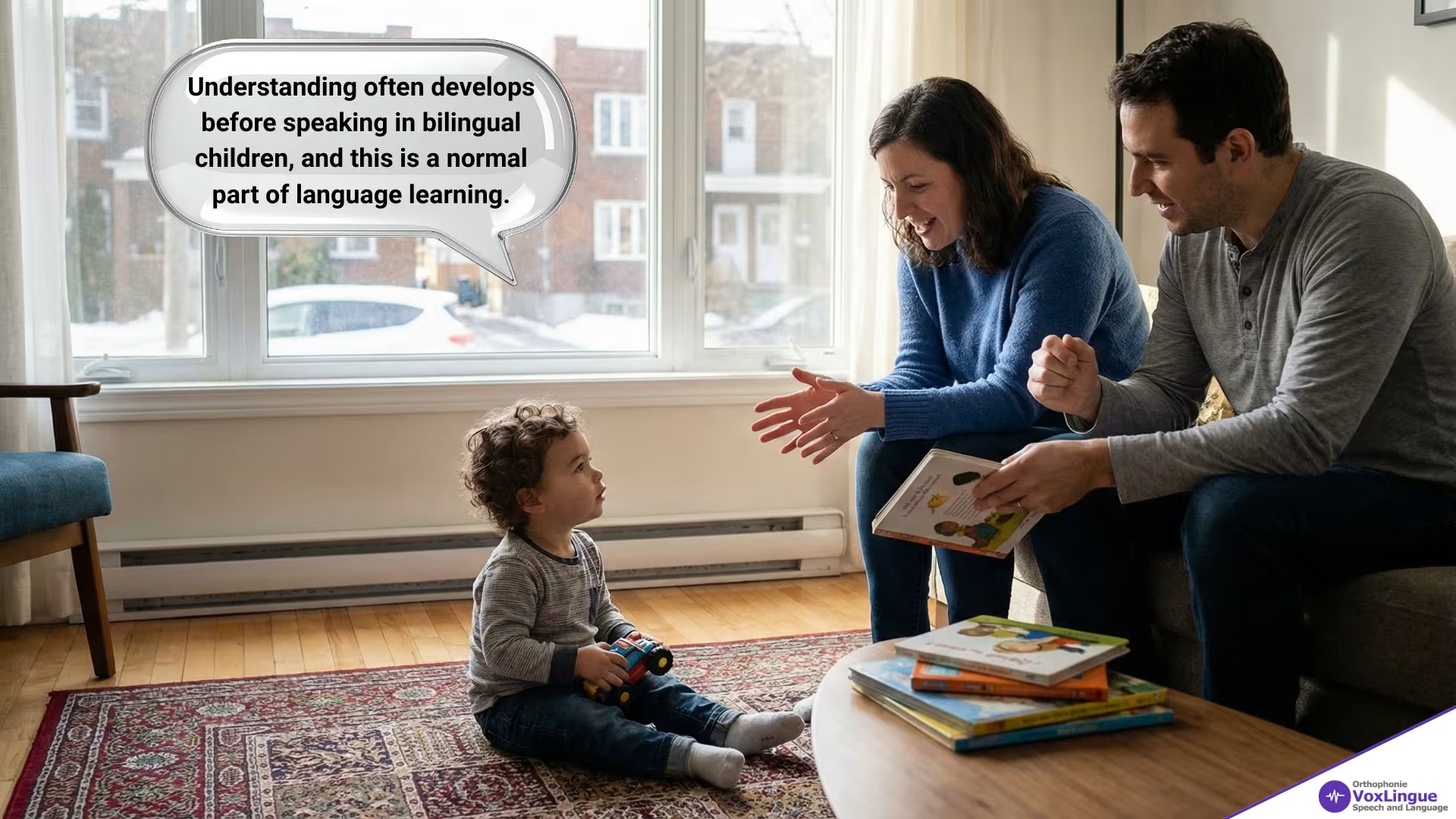
It is very common for understanding to develop faster than speaking in bilingual children. Comprehension often grows quietly as children listen, observe, and make sense of patterns across languages. Speaking requires additional skills such as word retrieval, sentence planning, and motor coordination. As a result, children may understand far more than they are able to express, particularly in their less dominant language. This pattern is typical and does not indicate a lack of progress.
Mixing languages within the same sentence or conversation is another expected part of bilingual development. This behavior reflects a developing language system rather than confusion. Children use all the tools available to them to communicate effectively. Over time, as vocabulary and structure grow in each language, this mixing becomes more refined and context specific.
One common misconception is that bilingualism causes language delays. Research consistently shows that exposure to more than one language does not create speech or language disorders. When a true language difficulty is present, it appears across all languages the child uses, not just one. Understanding this distinction helps families feel more confident and reduces unnecessary worry.
For parents seeking a deeper understanding of how bilingualism interacts with speech and language development, this article offers additional evidence based insights: raising bilingual children and speech language development.
Parents often wonder whether what they are noticing in their child’s communication is part of typical development or something that deserves closer attention. In a community like Ahuntsic, where children interact in different settings such as home, daycare, school, and community activities, variations in communication can become more noticeable over time.
One situation parents frequently observe is difficulty following age appropriate directions during daily routines. This may show up when a child struggles to understand simple requests, especially in busy or distracting environments. Because understanding language supports learning and participation, consistent challenges in this area can affect how a child engages with others.
Another common observation relates to vocabulary growth. Parents may notice that their child uses fewer words than expected during play, storytelling, or everyday conversations. Rather than focusing on a specific number of words, it is often more helpful to consider how a child uses language to share ideas, ask questions, and interact with others throughout the day.
Being understood by unfamiliar listeners is another area that often raises questions. While close family members may easily understand a child’s speech, teachers, peers, or community members may have more difficulty. Speech clarity typically improves gradually, but persistent challenges can impact confidence and participation in social settings.
Social communication differences during play or school activities are also commonly noticed. These may include difficulty taking turns in conversation, responding to peers, or adjusting communication based on the situation. These skills develop alongside language and are influenced by experience, environment, and individual differences.
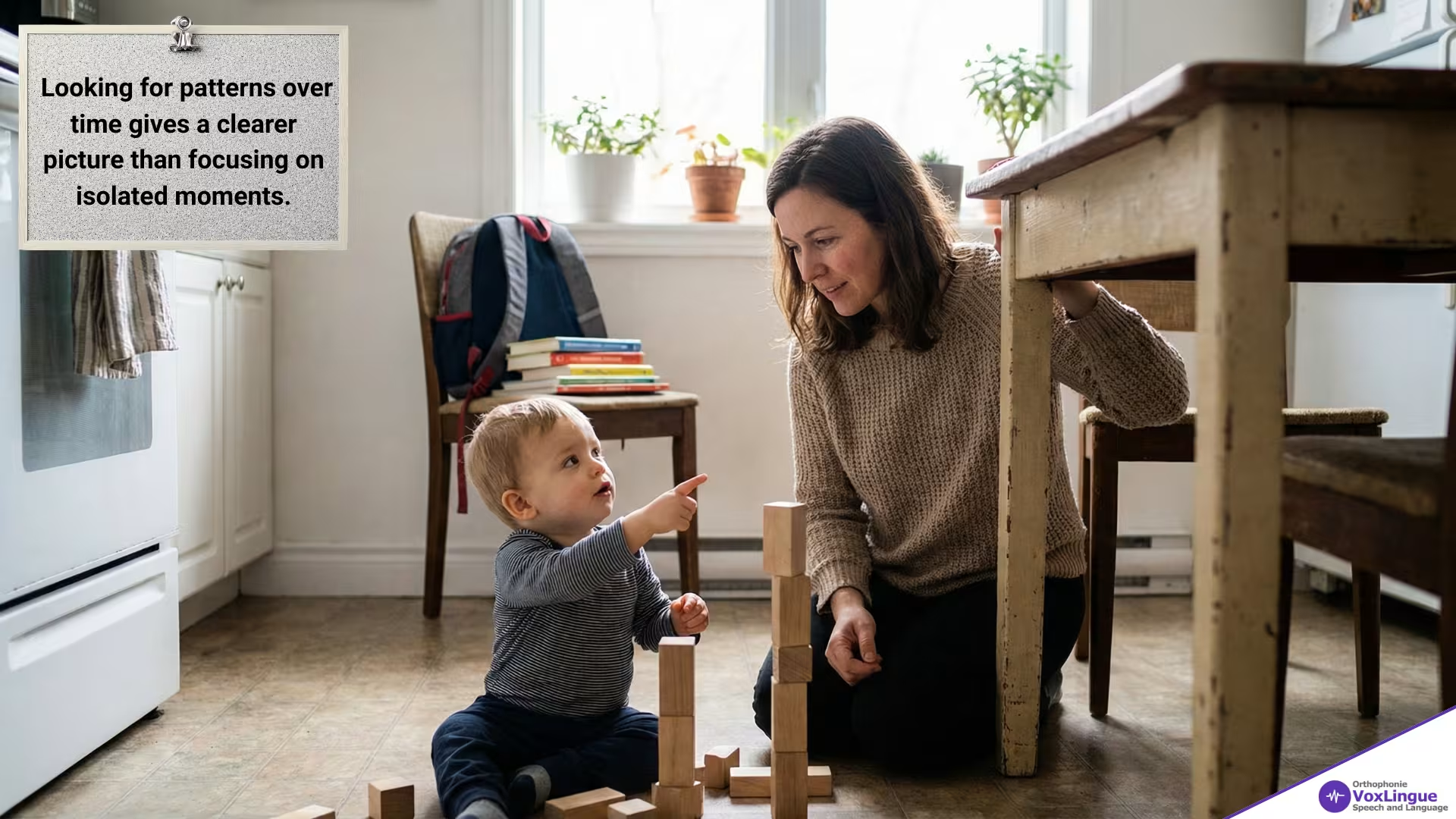
From a speech therapy perspective, it is important to look for patterns over time rather than isolated moments. All children have days where communication feels harder. When challenges appear consistently across situations or begin to interfere with daily activities, it may be helpful to seek guidance. Paying attention to how communication supports connection, learning, and participation provides a clearer picture than focusing on single behaviors alone.
Communication development does not stop once a child begins speaking, and it does not end in childhood. In a neighborhood like Ahuntsic, where people of all ages share schools, workplaces, and community spaces, communication needs naturally evolve over time. Speech therapy supports individuals at different stages of life by focusing on the skills most relevant to their daily experiences.
For toddlers and preschoolers, early communication is closely tied to interaction, play, and understanding language. At this stage, therapy often focuses on building comprehension, expanding vocabulary, and supporting the foundations of expressive language. These early skills help children participate more confidently in routines, play with peers, and engage with caregivers in meaningful ways.
School age children face increasing communication demands as language becomes a key tool for learning. Clear speech, understanding complex instructions, storytelling, and social communication all support academic success and peer relationships. Therapy at this stage may focus on clarity, language organization, reading and writing related skills, and using language effectively in the classroom.
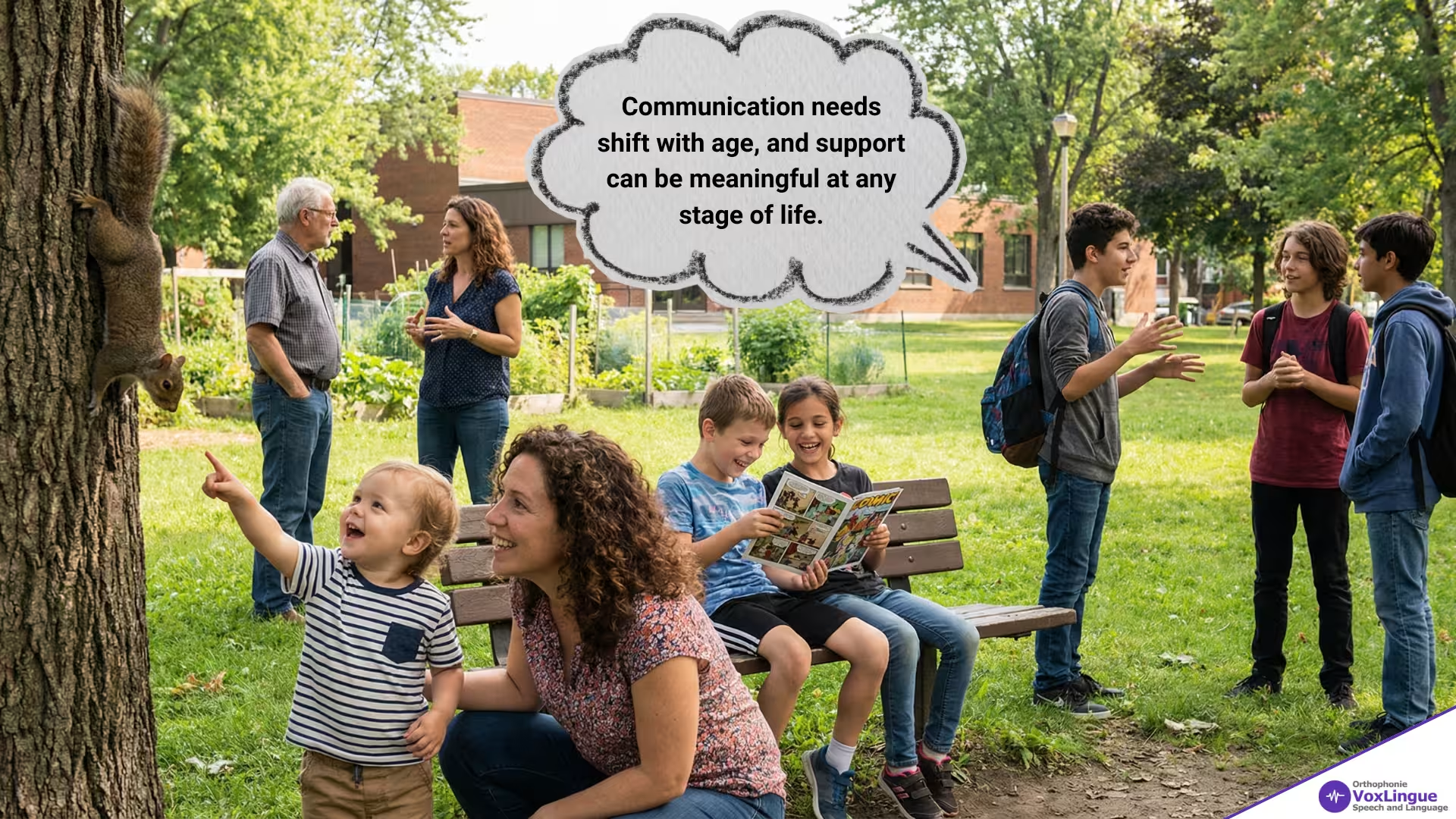
During adolescence, communication continues to shift. Teens are expected to manage abstract language, persuasive communication, and nuanced social interactions. Academic discussions, group work, and social relationships require flexibility and confidence in communication. Speech therapy can support these skills while respecting a teen’s growing independence and identity.
Adults also experience communication changes across their lives. Voice use in professional settings, fluency challenges, clarity of speech, or cognitive communication changes following injury or illness can all affect participation and quality of life. Speech therapy for adults focuses on functional communication goals that align with personal, social, and professional needs.
A common misconception is that speech therapy is only for young children. In reality, communication support is relevant at any age. For readers interested in how therapy supports adults in particular, this resource offers helpful context: speech therapy for adults in Montreal.
Language develops through repeated exposure and meaningful interaction within everyday routines. In Ahuntsic, many of these moments happen naturally as families move through their neighborhood, share time together, and engage in familiar activities. From a speech therapy perspective, these daily experiences provide some of the most powerful opportunities for communication growth.
Conversations during walks along neighborhood streets or near the river allow children to observe, comment, and ask questions about what they see. These informal exchanges support vocabulary development, sentence building, and turn taking. When adults respond with interest and expand on what a child says, they help model more complex language in a natural and supportive way.
Shared reading is another important part of many families’ routines. Visiting local libraries and reading together at home exposes children to new words, story structure, and different ways of expressing ideas. Story time also supports attention, listening, and comprehension skills. Resources such as the Ahuntsic library provide access to books and activities that encourage language learning across ages.
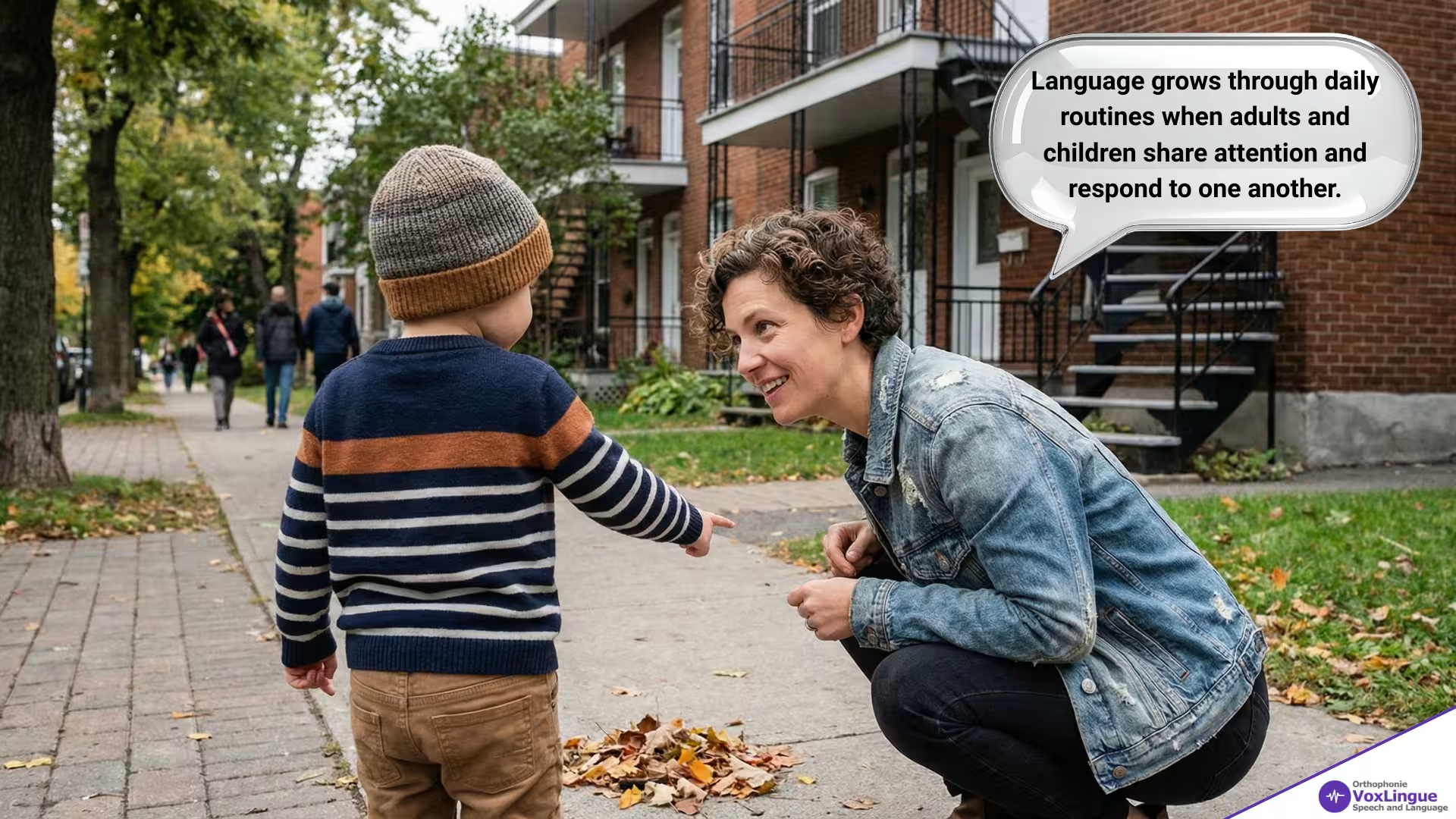
Playground interactions at local parks offer valuable opportunities for social communication. Children practice initiating interactions, negotiating rules, and responding to peers in real time. These moments help develop pragmatic language skills, which include knowing what to say, how to say it, and when to say it in different social situations.
Mealtime discussions in busy households are another often overlooked source of language learning. Talking about the day, planning activities, or sharing opinions supports narrative skills and expressive language. Even brief conversations during meals can strengthen communication when they are consistent and engaging.
Speech therapy often builds on these everyday moments rather than replacing them. By observing how communication unfolds in natural settings, therapists can support strategies that fit seamlessly into a family’s routine, making language development feel more achievable and less like a separate task.
When families begin exploring speech therapy, one of the first steps is often a speech and language evaluation. An evaluation is not a test to pass or fail. Its purpose is to build a clear picture of how an individual communicates in everyday life and what supports may be helpful moving forward.
A speech and language evaluation looks at several aspects of communication. Depending on age and concerns, this may include understanding spoken language, expressing ideas, clarity of speech, voice use, fluency, and social communication skills. For children, play based interaction, conversation, and structured activities are often used to observe how language is used naturally. For adults, the focus may be on functional communication in personal, social, or professional contexts.
Importantly, assessments consider both strengths and challenges. Understanding what a person does well is just as important as identifying areas that are harder. Strengths help guide intervention and ensure that support builds on existing abilities rather than focusing only on what feels difficult. This balanced approach provides a more accurate and respectful understanding of communication.
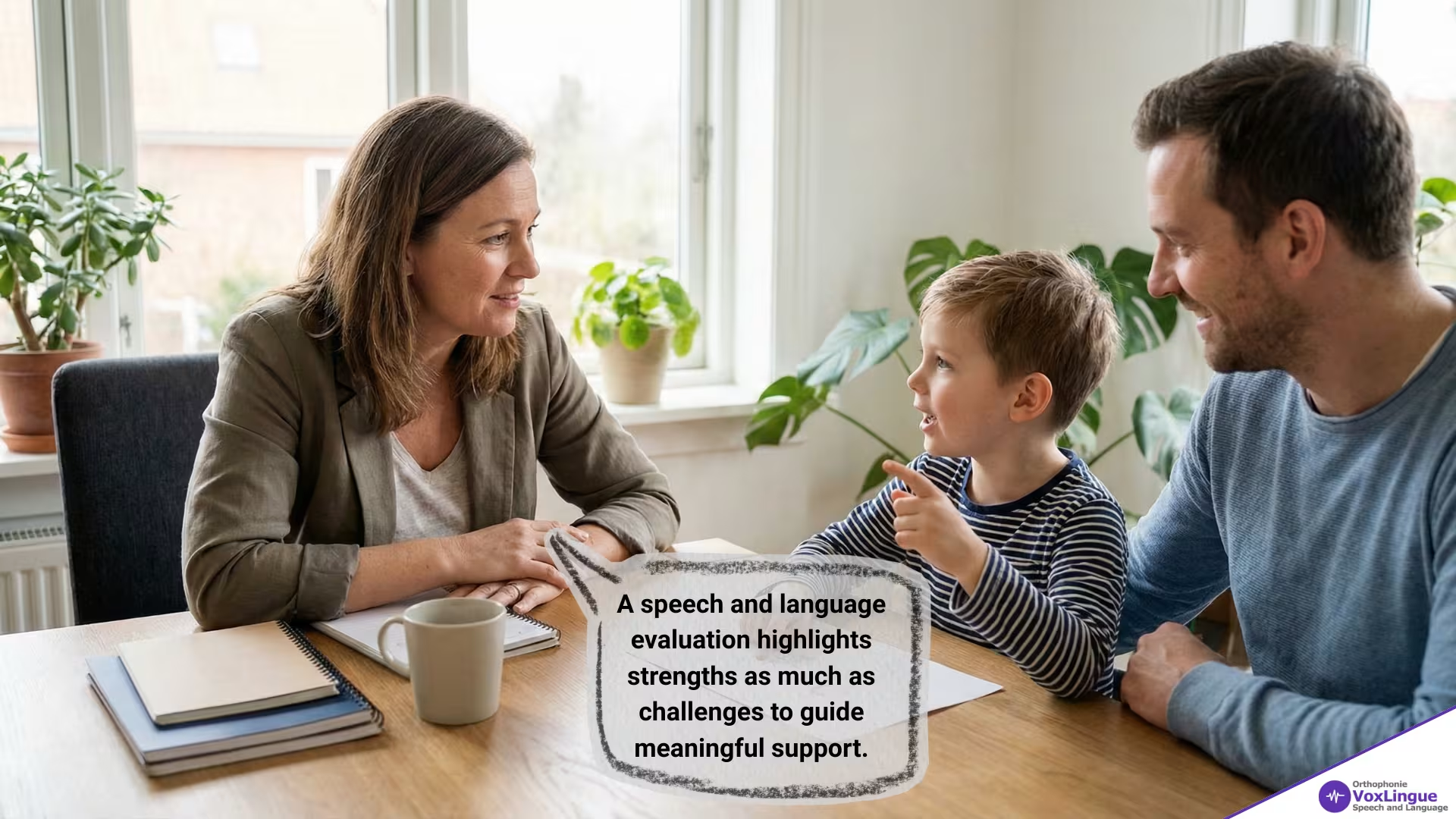
Goals that come out of an evaluation are shaped around daily communication needs. Rather than targeting isolated skills, therapy goals are designed to support participation in real life situations such as following classroom instructions, being understood by others, participating in conversations, or communicating effectively at work or at home. This focus helps make therapy meaningful and relevant.
For readers who would like a clearer overview of what is typically included in a speech and language evaluation, this page offers additional information in a transparent and accessible way: speech and language assessment.
Communication is shaped by the people, places, and routines that make up daily life in Ahuntsic. From family conversations at home to interactions in parks, schools, and community spaces, language develops through connection and shared experience. Understanding how communication grows over time helps families place what they observe into a broader and more reassuring context.
In a bilingual neighborhood, it is especially important to recognize how exposure to multiple languages influences both understanding and expression. Variations in how and when language skills emerge are often part of typical development rather than a sign that something is wrong. When challenges do arise, viewing them through the lens of daily communication needs allows for a more balanced and informed perspective.
Speech therapy supports communication across ages by focusing on participation, clarity, and confidence in real life situations. Whether concerns feel small or more complex, access to clear and thoughtful information helps families and individuals make decisions grounded in understanding rather than worry. In many cases, learning more about communication development is the first meaningful step toward progress and connection.